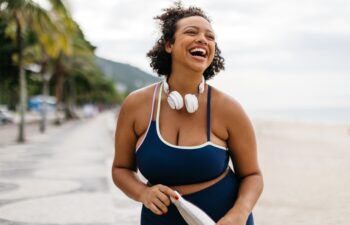
Summer in New York City brings rooftop gatherings, beach weekends in the Hamptons, and long days spent outdoors. If you’ve recently had a cosmetic procedure—or you’re planning one before the season heats up—understanding how sun exposure affects your healing skin isn’t just helpful advice. It’s essential to protecting your results.
The relationship between UV rays and healing tissue is more significant than many patients realize. Scars can darken permanently. Swelling can increase. Skin that’s been treated with lasers or peels becomes dramatically more vulnerable to damage. And the consequences aren’t always reversible.
Here’s what every cosmetic surgery patient should know about sun exposure during recovery—and how to enjoy your summer while safeguarding the beautiful results you’ve invested in.
Why Healing Skin Is Uniquely Vulnerable
Your skin’s response to surgery or aesthetic treatments creates temporary but significant changes in how it interacts with sunlight. Understanding these changes helps explain why sun protection during recovery matters so much.
- Increased Melanin Activity: When skin heals from any trauma—whether a surgical incision, laser treatment, or injection—melanocytes (the cells that produce pigment) become hyperactive. This heightened state makes healing skin far more likely to develop hyperpigmentation when exposed to UV rays. Dark spots that form during this vulnerable period can be extremely difficult to correct later.
- Compromised Barrier Function: Surgery and many aesthetic treatments temporarily disrupt the skin’s protective barrier. This barrier normally shields deeper skin layers from environmental damage. When it’s compromised, UV rays penetrate more deeply and cause more harm than they would to intact skin.
- Increased Blood Flow: Healing areas have increased blood circulation, which is essential for tissue repair. However, this also means those areas are more prone to inflammation when exposed to heat and sun, potentially prolonging swelling and redness.
- Scar Formation Sensitivity: The process of scar maturation typically takes 12 to 18 months. Throughout this entire period, scars are susceptible to permanent darkening from sun exposure. A scar that might have faded to a nearly invisible white line can instead become a permanent brown or purple mark if exposed to UV rays during this critical window.
Procedure-Specific Sun Concerns
Different cosmetic procedures create different levels of sun sensitivity. Here’s what patients should know based on the type of treatment they’ve had.
- Surgical Procedures (Tummy Tuck, Breast Surgery, Facelift, Liposuction): Any procedure involving incisions creates scars that will be highly sensitive to sun-induced hyperpigmentation for 12 to 18 months. While incisions are typically placed in concealed locations, areas like facelift incisions near the ears, brow lift incisions, and rhinoplasty incisions on the nose require particular attention to sun protection. Additionally, any bruising or swelling can worsen with sun exposure and heat. Patients who’ve had body contouring procedures like tummy tucks or liposuction should be cautious about exposing treated areas to direct sunlight, even after incisions have healed.
- Laser Resurfacing and Chemical Peels: These treatments deliberately remove outer skin layers to stimulate collagen production and improve skin texture. The new skin that emerges is essentially “raw”—lacking the protective pigment and barrier function of mature skin. Sun exposure during the healing window (which can be several weeks to months depending on treatment intensity) dramatically increases the risk of permanent hyperpigmentation and can cause serious burns.
- Microneedling and RF Treatments: While less aggressive than ablative lasers, these treatments still create micro-injuries that increase sun sensitivity. The skin’s barrier is temporarily compromised, and melanocytes are activated during the healing process.
- Injectable Treatments (Fillers and Botox): Though less dramatically affected than surgical sites, injection points can bruise, and any bruised skin is more prone to developing lasting discoloration with sun exposure. Heat and sun can also increase swelling in recently treated areas.
The Timeline: How Long Should You Protect?
One of the most common questions Dr. Joshua Zuckerman hears from patients is how long they need to be careful about sun exposure. The answer depends on the procedure, but general guidelines include:
- Incisions and scars: Rigorous sun protection for at least 12 months, ideally 18 months. Even after that point, scars will always be somewhat more susceptible to sun damage than surrounding skin.
- Laser resurfacing (ablative): Complete sun avoidance for the healing period (typically 2-4 weeks), followed by strict sun protection for 3-6 months or longer.
- Chemical peels: Similar to laser resurfacing, with the timeline varying based on peel depth.
- Microneedling and RF treatments: Heightened protection for 1-2 weeks minimum, with continued vigilance for several weeks beyond.
- Bruised areas from any procedure: Until bruising has completely resolved, those areas should be protected from sun exposure.
Practical Sun Protection Strategies
Protecting healing skin doesn’t mean spending your summer indoors. It means being strategic about your exposure and consistent with your protection.
Choose the Right Sunscreen: Not all sunscreens are created equal, especially for post-procedure skin. Look for:
- Broad-spectrum protection: This shields against both UVA (aging) and UVB (burning) rays
- SPF 30 or higher: SPF 50 is ideal for healing skin
- Physical/mineral formulas: Zinc oxide and titanium dioxide sit on the skin’s surface and reflect UV rays, making them gentler on sensitive, healing skin than chemical sunscreens that absorb into the skin
- Fragrance-free formulas: Healing skin is more reactive, and fragrances can cause irritation
Apply sunscreen generously—most people use far less than the amount needed for full protection—and reapply every two hours when outdoors, or immediately after swimming or sweating.
Physical Barriers Are Your Friend: Sunscreen alone isn’t enough for optimal protection, especially for facial procedures. Consider:
- Wide-brimmed hats: A hat with at least a 3-inch brim provides meaningful shade for facial incisions and treated skin
- UPF clothing: Lightweight, UPF-rated clothing protects body areas without adding bulk or causing overheating
- Sunglasses: Large, wraparound styles protect not just eyes but also the delicate skin around them—crucial after eyelid surgery or periorbital treatments
Time Your Exposure: UV rays are strongest between 10 AM and 4 PM. If you’re planning outdoor activities, early morning or late afternoon timing significantly reduces your UV exposure. Seek shade whenever possible, especially during peak hours.
Be Aware of Reflected Light: Water, sand, and even concrete can reflect UV rays, intensifying your exposure. A day at the beach or pool can deliver much higher UV doses than you’d expect, even if you’re under an umbrella.
What If You’ve Already Had Sun Exposure?
If you’ve inadvertently gotten sun on healing skin, take action quickly:
- Cool the area: Apply cool (not ice-cold) compresses to reduce inflammation
- Hydrate the skin: Use a gentle, fragrance-free moisturizer to support barrier recovery
- Contact your surgeon: If you notice concerning changes like significant darkening, unusual redness, or blistering, reach out to your surgical team for guidance
- Double down on protection going forward: One incident doesn’t mean all is lost, but continuing to expose the area will compound the damage
Some hyperpigmentation that develops from sun exposure during healing can be treated with topical products, chemical peels, or laser treatments once the skin has fully healed. However, prevention is always easier than correction.
The Investment Protection Perspective
Cosmetic procedures represent significant investments—not just financially, but in time, energy, and the recovery process itself. Protecting your results from sun damage is simply good investment management.
A tummy tuck scar that darkens from sun exposure may require additional treatments to correct. Facial skin that develops melasma after laser resurfacing may need months of topical therapy. These complications are largely preventable with proper sun protection during the vulnerable healing window.
Think of sun protection as the final step in your procedure—not an afterthought, but an integral part of achieving the best possible outcome.
Medical-Grade Skincare for Enhanced Protection
Beyond sunscreen, certain skincare products can help protect and support healing skin. Zuckerman Plastic Surgery offers medical-grade skincare lines including SkinMedica and ALASTIN Skincare, which include products specifically formulated to support post-procedure healing and provide antioxidant protection against environmental damage.
Products containing ingredients like vitamin C, vitamin E, and niacinamide offer antioxidant benefits that complement sunscreen protection. Growth factor formulations can support skin repair. Your surgical team can recommend specific products appropriate for your procedure and healing timeline.
Planning Your Procedure Around Summer
If you’re considering a cosmetic procedure and summer plans are on your calendar, timing matters. Many patients choose to schedule procedures in fall or winter, when sun exposure is naturally lower and layered clothing makes sun protection easier. Others plan spring procedures that allow several weeks of indoor recovery before peak summer UV intensity.
If summer timing is unavoidable, discussing your lifestyle and sun exposure habits with Dr. Zuckerman during your consultation allows for personalized recommendations about timing, procedure selection, and recovery planning.
Schedule Your Consultation at Zuckerman Plastic Surgery
Dr. Joshua D. Zuckerman brings the precision of elite surgical training and years of experience to every procedure he performs. Board-certified by the American Board of Plastic Surgery and recognized as a Castle Connolly Top Doctor and Newsweek America’s Best Plastic Surgeon, Dr. Zuckerman combines technical excellence with an artistic eye for natural-looking results.
His proprietary scar protocol—including detailed post-operative care instructions and sun protection guidance—helps patients achieve the best possible healing outcomes. Whether you’re considering a mommy makeover, tummy tuck, breast procedure, facelift, or non-surgical treatment, Dr. Zuckerman and his team provide comprehensive care from consultation through complete recovery.
To schedule your consultation, contact Zuckerman Plastic Surgery at (212) 231-9897. The practice is located at 800A Fifth Avenue, Suite 101, in New York City, serving patients throughout Manhattan, the tri-state area, and beyond.
Your results deserve protection. Let’s make sure your investment in yourself lasts for years to come.
Medically reviewed by Joshua D. Zuckerman, M.D., F.A.C.S. on
Posted on behalf of
800A Fifth Avenue Suite 101
New York, NY 10065
Phone: (212) 231-9897
FAX: 1-855-506-2309
Email: [email protected]